Cultural Impact
The hot dog has become more than just food — it represents tradition, entertainment, and shared experiences. From baseball stadiums to summer festivals, hot dogs are deeply connected to American culture.
Hot dogs are especially tied to the world of sports. Baseball fans often describe a trip to the ballpark as incomplete without a hot dog, and many stadiums have created their own signature versions, from foot-long dogs to chili-topped specialties. This connection reinforces the hot dog’s role as part of American leisure and nostalgia. For many people, the taste and smell of a ballpark hot dog instantly recalls childhood memories, family outings, and summertime excitement.
The hot dog has also influenced regional identity across the United States. Cities like New York, Chicago, and Detroit each have their own traditional styles, toppings, and preparation methods — and people take their preferences seriously. Whether someone prefers a Chicago dog with mustard and relish or a Detroit coney topped with chili sauce, these variations reflect local pride and cultural heritage. In this way, the hot dog acts as a symbol of both unity and diversity.
Hot dogs also appear in festivals, competitions, and national celebrations. Nathan’s Famous Hot Dog Eating Contest draws huge crowds every Fourth of July, combining humor, friendly rivalry, and entertainment. Beyond competitions, hot dogs remain central to cookouts, holidays, and community gatherings. They bridge social groups and generations — easy to cook, easy to share, and familiar to almost everyone.

Image: (“Fenway Park – Monster Dog,” Wikimedia Commons, public domain.)

Image by L.T. Hanlon, licensed under CC BY-SA 4.0, via Wikimedia Commons.
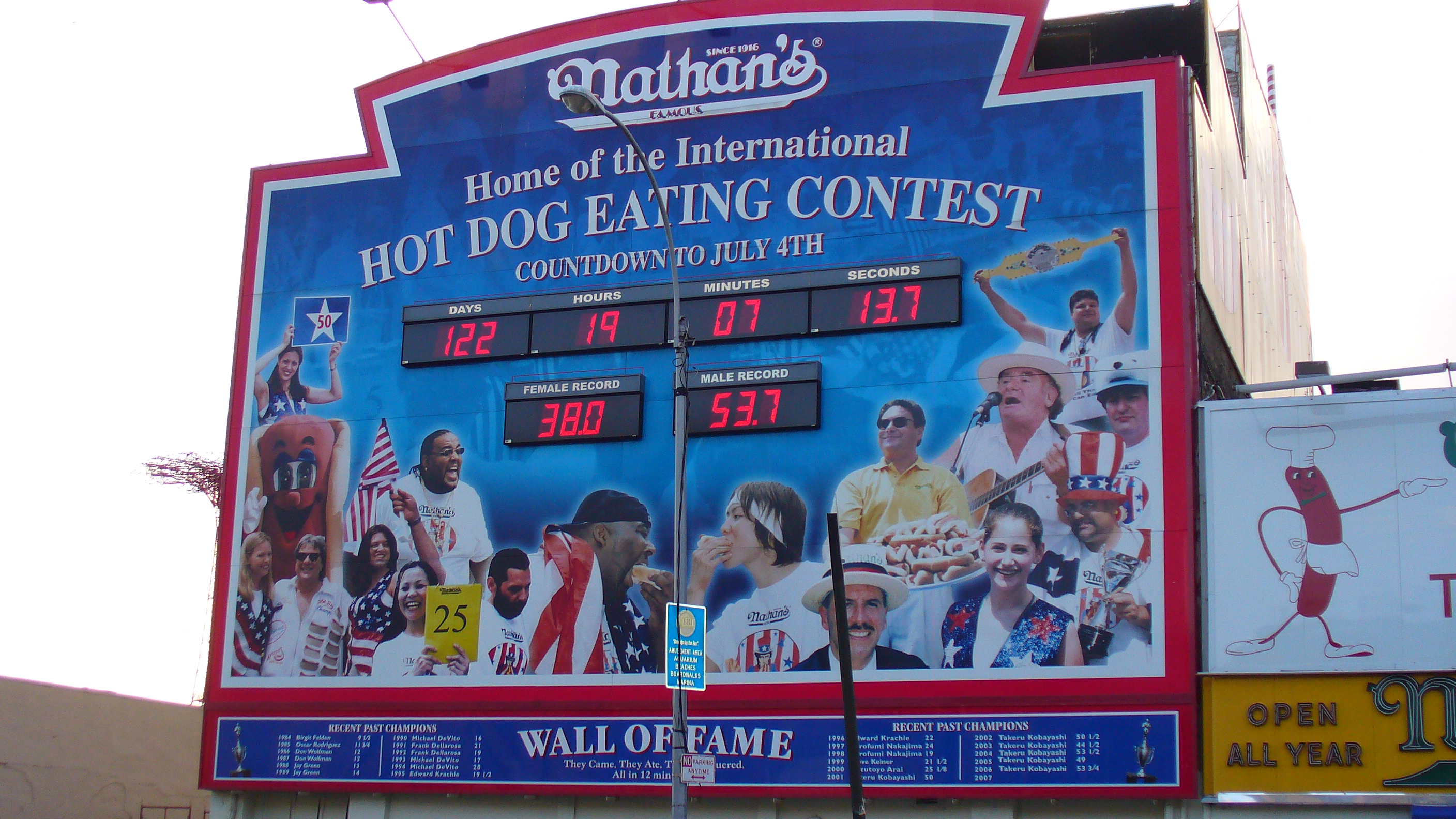
Image by David Shankbone, licensed under CC BY-SA 3.0, via Wikimedia Commons.